

Three stories and two rumors, and Meta just pointed its AI agent at small business, with connections to QuickBooks, Shopify, and Stripe.
▶ LISTEN TO THIS EPISODE
In this episode
- Update: Meta Launched Muse for Small Business, an AI Agent That Connects to QuickBooks, Shopify, and Stripe and, Meta Says, Waits for Your Approval Before It Publishes, Sends, or Spends
- Amazon Says Brands Will Be Able to Shape Alexa’s Shopping Answers With Sponsored Branded Conversations Starting in January, and Launched an AI Ads Agent
- Update: OpenAI Launched GPT-6.1 Sol in ChatGPT Work and Says It Makes Fewer Factual Errors, and ChatGPT Work Added Pages and Spaces
Read the full transcript
Welcome to the AI Industry Report, daily AI news for small business, built by AI, about AI, from the Agentic Marketing Academy. It’s Thursday, October 1st. Three stories and two rumors, and Meta just pointed its AI agent at small business, with connections to QuickBooks, Shopify, and Stripe. Let’s go.
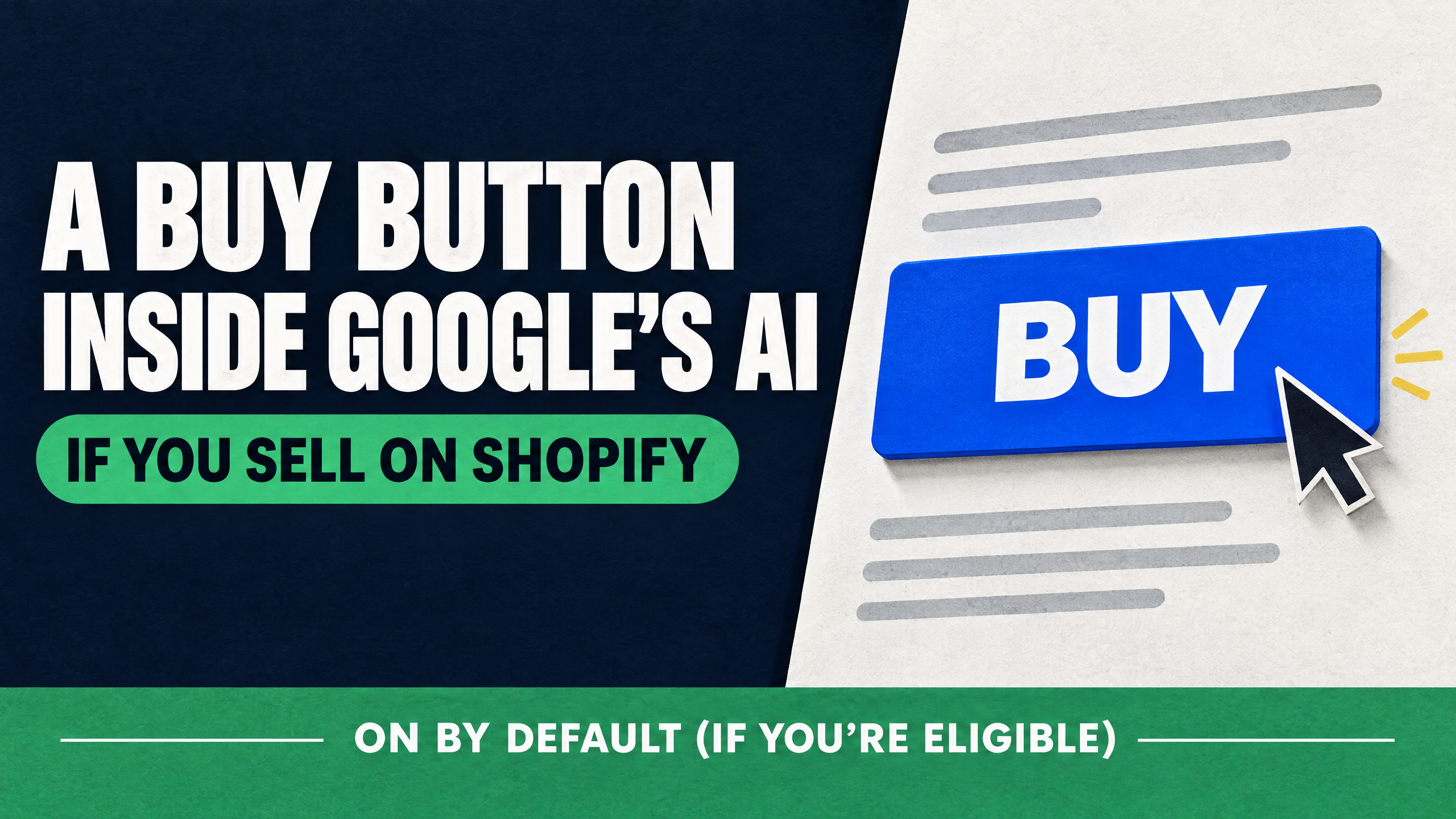
You’ve heard us walk through Meta’s Muse agent all month. Now there’s a version built for the person running a shop. Meta announced Muse for Small Business on Tuesday, and here’s how it works. You hand Muse a goal, like planning a campaign or cleaning up your inbox, and it keeps working after you close the app. To do that, it plugs into your tools. Meta named fifteen, including QuickBooks, Shopify, Stripe, Canva, Slack, Zoom, Klaviyo, and HighLevel, plus your Facebook Page, Instagram business account, and Meta ad account. Meta says Muse won’t publish, send, or spend anything unless you authorize it, and that a separate security agent watches for data leaving. Those are Meta’s claims, not independent tests. It’s free for most uses, with paid plans for more, in the U.S. and Canada. So here’s the question: what do you want an agent to see? Your books and your payment processor are a bigger step than your calendar. Start with one connection, like Instagram, ask for a summary of last month, and leave approvals on. Source: Meta’s announcement, September 29th, via TechCrunch and Unite dot A I.
Now, if you sell on Amazon, Alexa is about to get a sponsored voice. At its unBoxed event Tuesday, Amazon announced Branded Conversations. Here’s the mechanism. Today, when a shopper asks Alexa for Shopping about a product, Adweek reports Alexa answers from Amazon’s store data and advertiser catalogs. Starting in January, in the U.S., Amazon says brands can give Alexa their own product expertise, like which item suits which skin type, and Alexa can use it in the conversation, marked as Sponsored. Amazon also launched an Ads Agent, where you build and adjust campaigns by telling it what you want. Amazon says its Full-Funnel Campaigns are open to every U.S. advertiser now, and the rest rolls out over the coming months. I couldn’t find pricing, and Amazon’s announcement doesn’t spell out who’s eligible. Here’s what you can do today. Until brands can shape the answer, Alexa is working from your listing, so tighten your titles, bullets, and product details now. Source: Amazon Ads, September 29th, via Adweek.
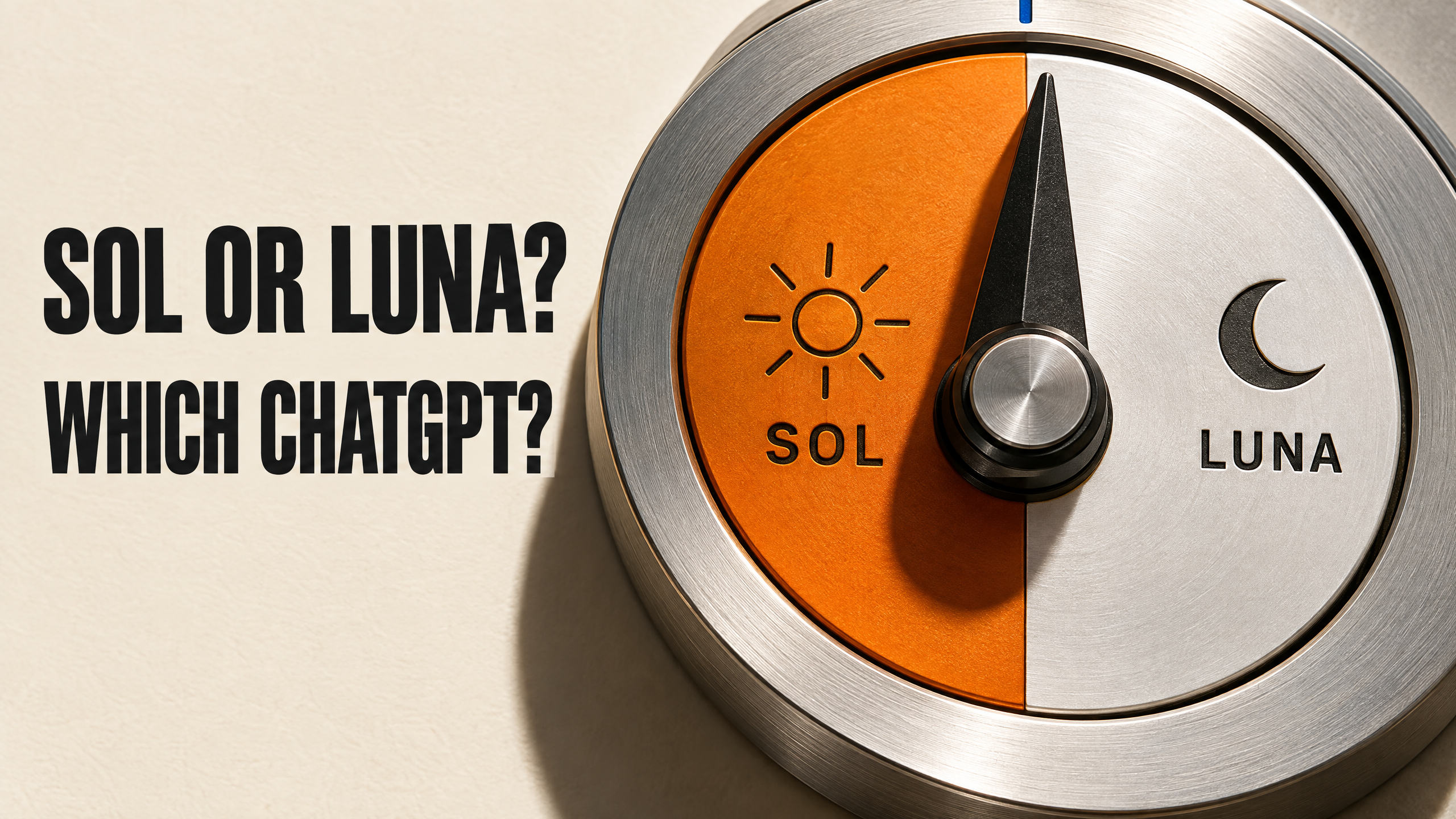
And if you pay for ChatGPT, there’s a new model to try. This updates last week’s Sol and Luna story. At DevDay on Tuesday, OpenAI launched GPT-6.1 Sol. OpenAI says it nearly matches its top model, Astra, on agentic work, at a fifth of the developer price. The part for you is a claim: on hard prompts at low reasoning effort, factual errors fell from eleven point four percent to seven point seven. That’s OpenAI’s own testing. It lives in ChatGPT Work, not regular chat, and OpenAI’s release notes say it’s reaching Pro first, then Plus, Business, and the rest. ChatGPT Work also got Pages, which turn a conversation into an editable document your team can comment on, and Spaces to keep them organized, for Pro, Business, and Enterprise. The Next Web reports one catch from OpenAI’s safety testing: Sol sometimes failed to tell users a search tool had broken, about two percent of the time. So when it reaches you, try it on a real job, like a quote, and check every number. Source: OpenAI, September 29th, via TechCrunch and the Next Web.
Two rumors before you go. First, SEO consultant Chris Long says he tested about a hundred big brand names in Google, and ninety-three percent showed an AI Overview, most of them mid-page or lower. Search Engine Roundtable reported it Wednesday. Those are household names, not small shops, and Google hasn’t commented. If it spreads, more searches for your business name may start with an AI summary. Second, TestingCatalog spotted Google’s Flow creative tool now pointing to Nano Banana 2.1, apparently an update to Google’s image model. Google hasn’t announced it, and the name may be an internal label, so treat it as a maybe.
So here’s your one thing for today. Search your business name in Google on your phone, then ask ChatGPT the same question. Read what AI says about you. If something’s wrong, fix it at the source: your website and your Google Business Profile.
That’s today’s report. Transcript and every source linked at A I industry report dot com.
If you want your business to be the one AI recommends, the free checklist at the leveling window dot com is where everybody starts.
And full transparency, because we practice what we teach: this show is researched, written, and voiced by AI, built by our founder. We teach businesses what AI can do. This show is the proof. Hit follow, and tomorrow’s report finds you on its own.
Sources
- Muse for Small Business, via Meta announcement reported by TechCrunch (September 29)
- Meta Adds Small Business Skills and App Connectors to Muse AI Agent, via Unite.AI (September 29)
- Meta launches Muse for Small Business with new connectors, via TestingCatalog (September 29)
- Introducing Branded Conversations and Review Requests, via Amazon Ads (September 29)
- Introducing Amazon Ads Agent, via Amazon Ads (September 29)
- Advertisers Can Directly Influence Amazon’s Alexa Responses, via Adweek (September 2026)
- ChatGPT Release Notes, via OpenAI Help Center (late September)
- OpenAI launches GPT-6.1 Sol, says it nearly matches GPT-6 Astra and costs less, via TechCrunch (September 29)
- OpenAI releases GPT-6.1 Sol at a fifth of GPT-6 Astra’s token prices, via The Next Web (September 29)
- Google AI Overviews Return For Many Large Brand Names, via Search Engine Roundtable (September 30; Rumor Watch, Google has not commented)
- New Google Flow build now points to Nano Banana 2.1, via TestingCatalog (September 27; Rumor Watch, Google has not announced it)
Want your business to be the one AI recommends? The free Agentic Readiness Checklist walks you through the 15 signals AI agents check, in plain English. Get it at thelevelingwindow.com.
The AI Industry Report is researched, written, and voiced by AI, built by the founder of the Agentic Marketing Academy. We teach businesses what AI can do. This show is the proof.